
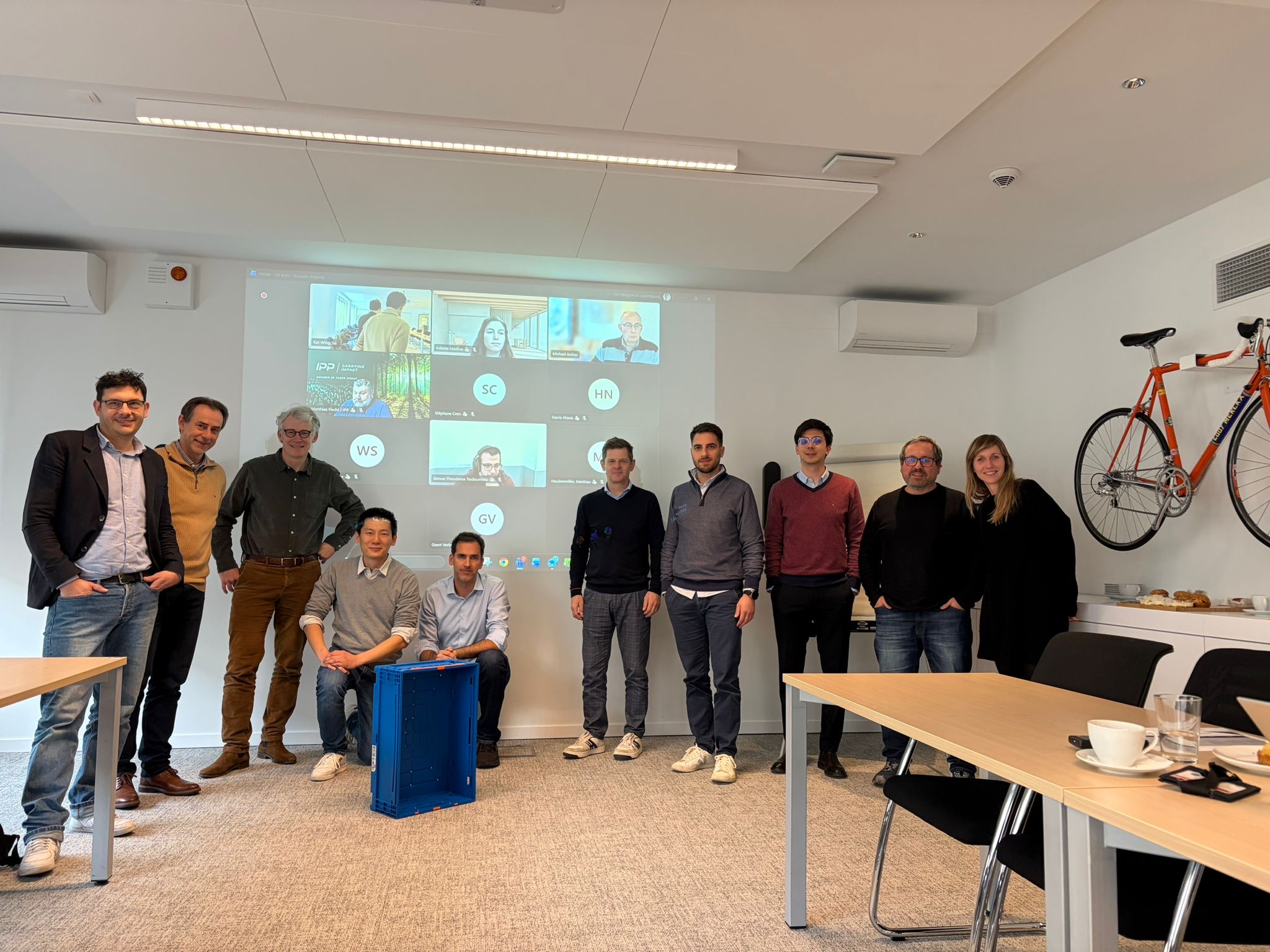
On 13 January 2026, the IKIGAI Project held the hybrid kick-off meeting of Logistics Innovation 5 (LI5) “GS1 SMART-Box pooling governance scaling up to Belgium and France” in Brussels and online. The event was hosted by GS1 Europe. LI5 addresses the specific business challenge of deploying reusable, standardised modular boxes on a large scale through open, economically viable pooling models.
Advancing reusable and standardised logistics assets
Key topics discussed
-
Real-world use cases, covering automated distribution centres, shelf-ready packaging, display logistics and home delivery
-
Pooling and governance models, addressing ownership, cost allocation, clearing mechanisms and scalability
-
Digital enablers, such as event tracking, smart contracts and digital twins, to support traceability, transparency and operational efficiency
Building the foundation for pilot execution
IKIGAI featured in IDSA Tech Talk on data spaces standardisation
On 10 September 2026, IKIGAI was featured during the International Data Spaces Association (IDSA) Tech Talk, “Mapping the Data Spaces Standardization Landscape – and Shaping Version 3.0”, connecting the project with the wider European and international discussion on interoperable and trusted data spaces.
Urban Living Labs and sustainable implementation at IPIC 2026
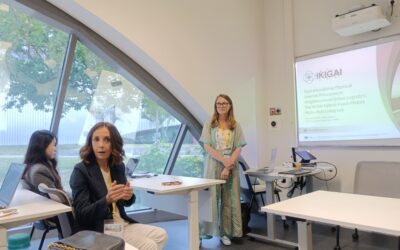
At IPIC 2026, the session “Urban Living Labs and Sustainable Implementation” showcased how projects including IKIGAI are translating Physical Internet concepts into practical urban logistics solutions through living labs, stakeholder collaboration and scalable approaches for sustainable last-mile delivery.
IKIGAI General Assembly
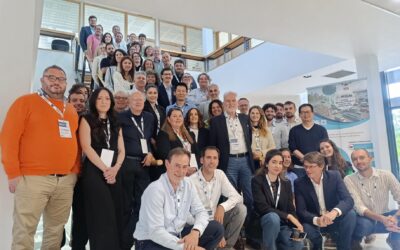
The IKIGAI General Assembly, held alongside IPIC 2026 in Bordeaux, brought project partners together to review progress, align upcoming activities and prepare for pilot deployment. Discussions focused on scaling logistics innovations beyond demonstrations, strengthening stakeholder engagement through the Physical Internet Ambassadors community, and supporting the transition towards more collaborative, interoperable and sustainable Physical Internet-enabled logistics networks.