
IKIGAI is an EU-funded project supporting the digital and green transition of freight transport and logistics in Europe
The project scales up five industry-driven logistics innovations that promote shared capacities and resources, harmonised digital processes, and integrated emissions tracking and reduction mechanisms. These innovations enable collaborative transport and logistics services across networks, including urban logistics. Focusing on measurable business impact, IKIGAI delivers practical tools, large-scale pilots, and a governance framework to facilitate the adoption of and compliance with the Physical Internet vision.
IKIGAI project : key facts and figures

DURATION
42 months
From July 2025
to December 2028

EU FUNDING
€15 million
Co-funded by the Horizon
Europe Programme

PARTNERS
30+ organisations
including industry leaders,
SMEs, research centres,
and public authorities

LOGISTICS INNOVATIONS
5 real-world pilots
Covering urban hubs, port zones, intermodal transport, digitalisation and data governance, and packaging standards Europe Programme
Become a PI Ambassador
Support the transition to digital and zero-emission logistics by joining the PI Ambassadors Community. Share your expertise, promote standardised processes, and gain recognition within Europe’s logistics innovation community.
What is the Physical Internet Norm?
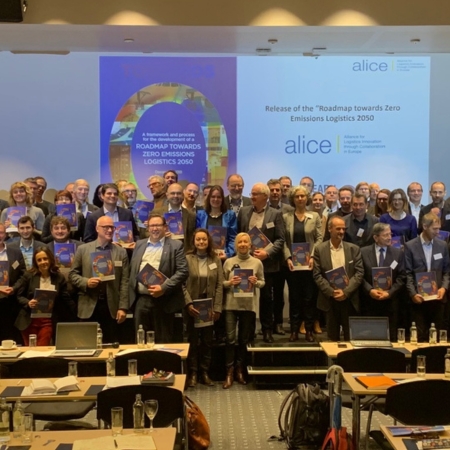
The Physical Internet Norm (PI Norm) defines common procedures to align logistics operations with digital and zero-emission goals. Discover how your organisation can prepare for compliance and benefit from streamlined, interoperable logistics services.

Physical Internet Observatory
Follow developments in Physical Internet implementation through the Physical Internet Observatory (PI Observatory). This expert-led knowledge hub collects data from pilots, showcases practical use cases, and shares emerging standards driving.

Latest news and events

IKIGAI at LOGISTOP Congress 2026
The IKIGAI project was presented at the 1st LOGISTOP Scientific and Technological Congress, held on 6-7 October 2026 in Valencia, Spain.
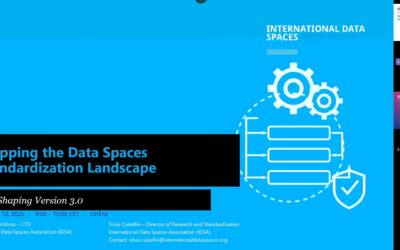
IKIGAI featured in IDSA Tech Talk on data spaces standardisation
On 10 September 2026, IKIGAI was featured during the International Data Spaces Association (IDSA) Tech Talk, “Mapping the Data Spaces Standardization Landscape – and Shaping Version 3.0”, connecting the project with the wider European and international discussion on interoperable and trusted data spaces.

Urban Living Labs and sustainable implementation at IPIC 2026
At IPIC 2026, the session “Urban Living Labs and Sustainable Implementation” showcased how projects including IKIGAI are translating Physical Internet concepts into practical urban logistics solutions through living labs, stakeholder collaboration and scalable approaches for sustainable last-mile delivery.