
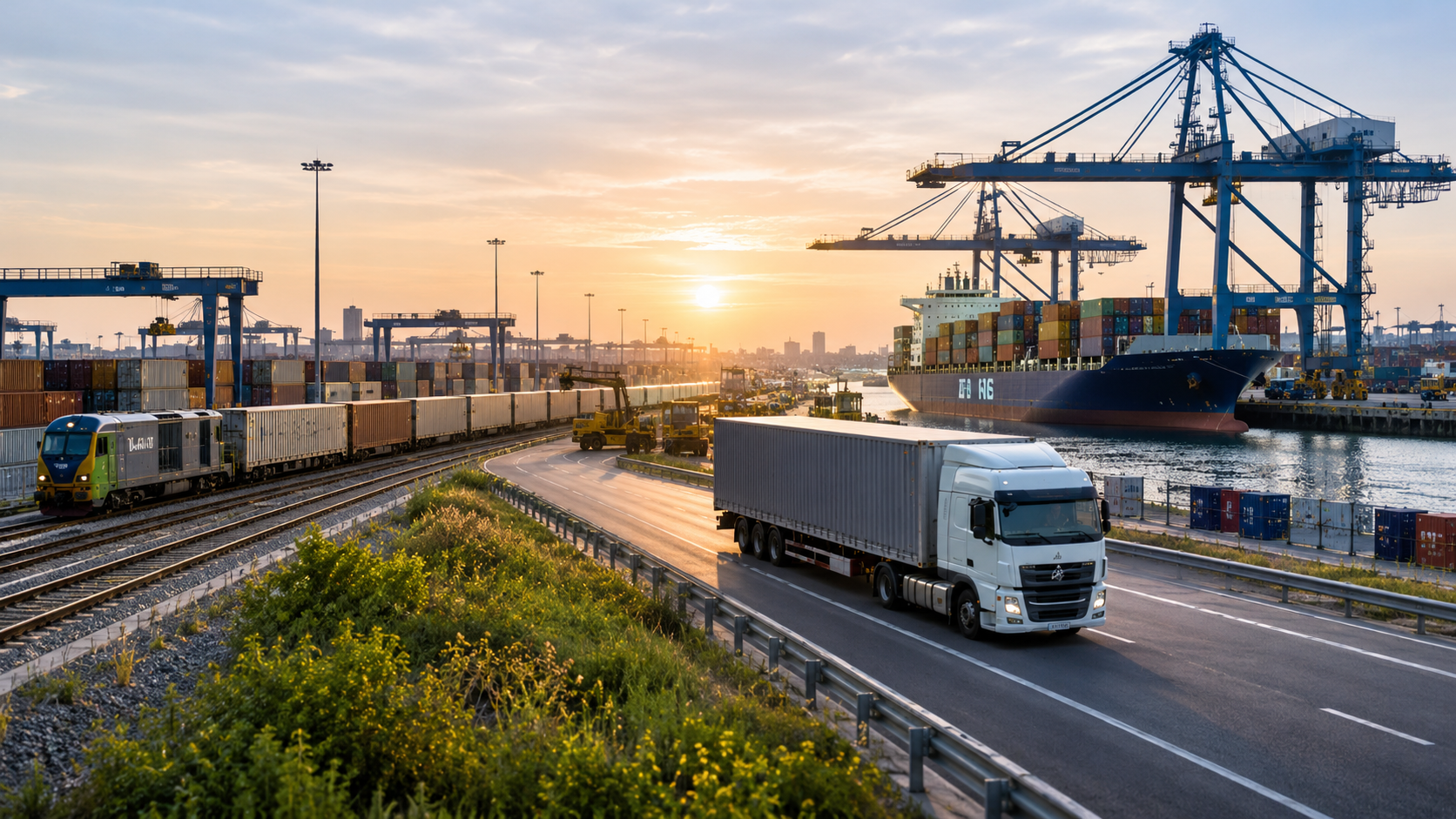
Reducing freight transport emissions is not only about switching to cleaner vehicles. It also requires a fundamental change in how goods move across Europe, how transport capacity is used and how logistics networks interact. Better planning, more efficient use of resources and greater connectivity between transport services can all contribute to making European freight transport more sustainable.
Rethinking how goods move across Europe
Every day, freight travels across Europe through an extensive network of roads, railways, ports and logistics hubs. Yet despite the increasing sophistication of transport technologies, the way these networks operate is not always efficient. Trucks may travel with unused capacity, shipments may take unnecessarily long routes, and companies operating along the same transport corridors often organise their deliveries independently. The result is a fragmented system in which opportunities to optimise resources and reduce emissions are frequently missed.
Cleaner vehicles and alternative fuels are essential to addressing freight transport’s environmental impact. However, replacing conventional trucks with zero-emission alternatives will not, on its own, resolve these operational inefficiencies.
Decarbonisation therefore requires looking beyond individual vehicles and reconsidering how the entire freight transport system is organised.
Moving goods more efficiently, and avoiding unnecessary movements
One of the opportunities for reducing emissions lies in making better use of existing transport capacity. Improved route planning, higher vehicle utilisation and freight consolidation can reduce unnecessary journeys, fuel consumption and operational costs. The environmental and economic benefits can reinforce each other, creating incentives for businesses to adopt more efficient logistics practices.
However, improving transport efficiency is only part of the equation. Freight demand itself also deserves attention. Reducing unnecessary packaging, improving material flows and digitalising administrative processes can help reduce the resources and physical movements needed throughout supply chains. Rather than simply asking how goods can be transported more efficiently, companies can also consider whether certain movements can be avoided altogether.
The objective is not to limit economic activity, but to ensure that transport resources are used where they create value, with fewer avoidable movements and less environmental impact.
Making transport modes work together
Another opportunity lies in combining road, rail and waterborne transport more effectively.
Each mode has its strengths. Road transport provides flexibility and extensive geographical coverage, while rail and waterborne services can offer environmental advantages for suitable freight flows, particularly over longer distances. Yet the transition towards more multimodal freight transport is not always straightforward. Infrastructure availability, differences in schedules, service reliability and limited information exchange can make combining transport modes difficult in practice.
Better coordination between logistics operators, transport hubs and freight customers can help address these challenges. Digital technologies can support more informed transport planning, improve visibility across networks and make it easier to coordinate services.
The goal is to move away from fragmented transport operations towards a system in which different modes complement each other, making better use of existing infrastructure and capacity.
Connecting logistics networks through the Physical Internet
While improvements within individual companies are valuable, broader opportunities emerge when logistics networks become more interconnected.
The Physical Internet provides a framework for this transformation. Inspired by the principles of the digital Internet, it envisions a logistics system in which goods can move seamlessly across different networks through shared resources, interoperable services and common operating processes. By enabling better coordination between logistics actors, the Physical Internet can help address some of the structural inefficiencies that contribute to unnecessary freight movements and underutilised transport capacity.
Physical Internet is not an objective in itself. Its purpose is to enable more efficient logistics operations, with freight decarbonisation as a central long-term goal.
This is the connection that IKIGAI seeks to translate into practice through its five Logistics Innovations, addressing freight matchmaking, digital logistics services, smart multimodal hubs, emissions tracking and reusable transport packaging.
Although these innovations focus on different operational challenges, they share a common purpose: improving how logistics resources are used and how networks interact, while supporting the transition towards lower-emission freight transport.
From operational efficiency to lower emissions
A more connected logistics system offers opportunities to improve efficiency, but translating these improvements into environmental benefits requires careful assessment. Reducing empty kilometres, improving vehicle utilisation or shifting freight between transport modes can contribute to lower emissions, depending on the operating conditions. Understanding the actual impact requires reliable data and consistent assessment methods.
Equally important is ensuring that solutions can work beyond individual companies or demonstration environments. This calls for practical operating models, compatible systems and cooperation between the many actors involved in European freight transport. Decarbonisation will therefore depend on bringing together cleaner technologies, more efficient operations and better-connected logistics networks.
Making this shift is an important step towards a more competitive, connected and decarbonised European logistics system.

Physical Internet Academy of Japan launches to strengthen research and international collaboration
The Physical Internet Academy of Japan (PIAJ) held its inaugural meeting on 8 October 2026 at Waseda University in Tokyo, bringing together approximately 25 participants from academia, industry and public institutions. The initiative aims to advance Physical Internet research, support practical implementation and strengthen international cooperation, including knowledge exchange with European logistics stakeholders.
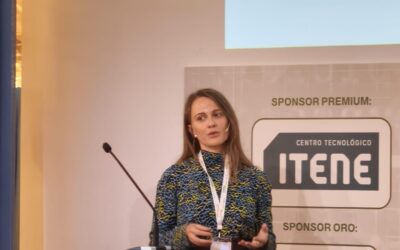
IKIGAI at LOGISTOP Congress 2026
The IKIGAI project was presented at the 1st LOGISTOP Scientific and Technological Congress, held on 6-7 October 2026 in Valencia, Spain.
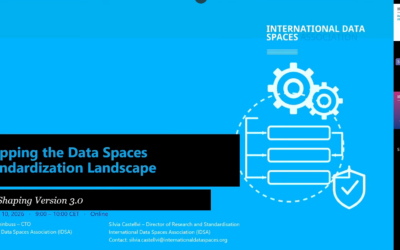
IKIGAI featured in IDSA Tech Talk on data spaces standardisation
On 10 September 2026, IKIGAI was featured during the International Data Spaces Association (IDSA) Tech Talk, “Mapping the Data Spaces Standardization Landscape – and Shaping Version 3.0”, connecting the project with the wider European and international discussion on interoperable and trusted data spaces.

Project coordinator
ikigai@fitconsulting.it

This project has received funding from the European Union’s Horizon Europe research and innovation programme under grant agreement No 101202912. Views and opinions expressed are however those of the author(s) and do not necessarily reflect those of the European Union or the granting authority. Neither the European Union nor the granting authority can be held responsible